Getting your grind size just right is key to making delicious coffee. If you’re diving into the world of coffee grinding techniques for home baristas, you need to know that different brewing methods require specific grind sizes. A finer grind works great for espresso, while a coarser grind is better for French press. It’s all about matching the grind to your favorite brewing method!
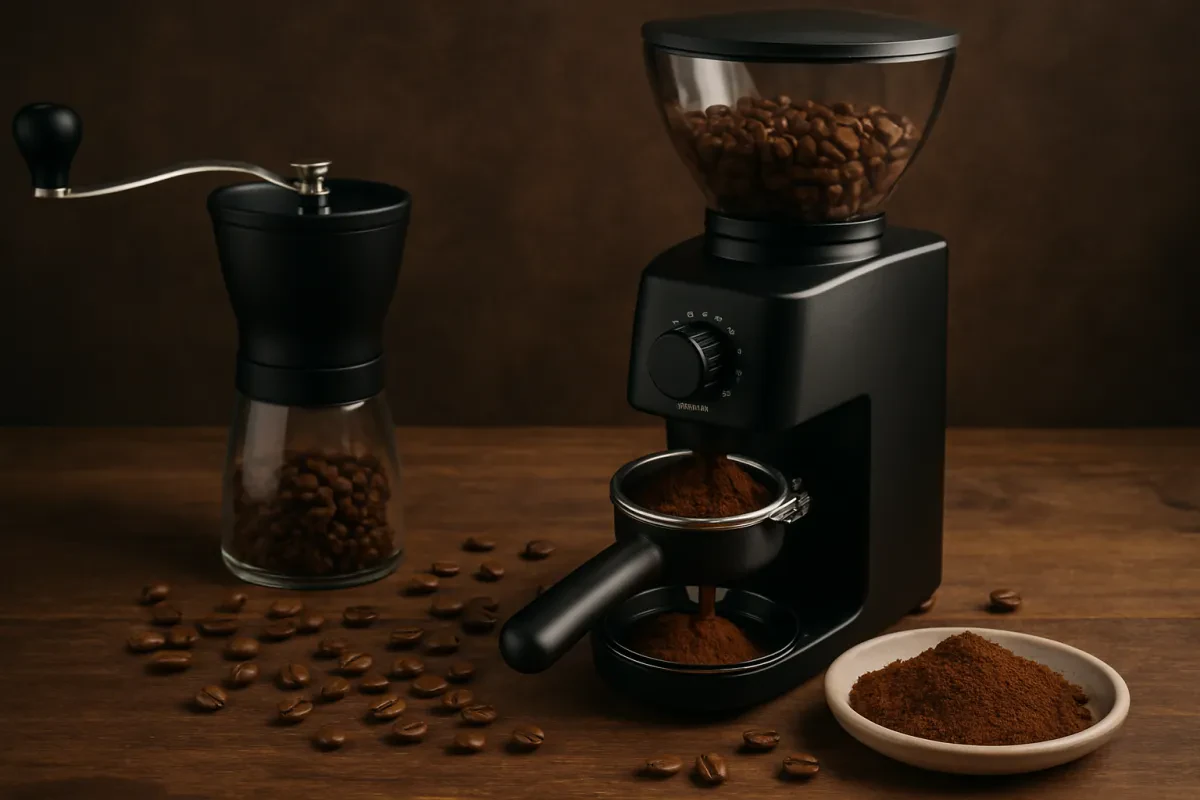
Start with a good quality burr grinder. Blade grinders just chop up the beans, which can lead to uneven sizes. With a burr grinder, you can dial in your grind size accurately. This consistency really helps highlight the flavors in your coffee, making every cup taste its best.
Experimenting with grind size is part of the fun. If your coffee tastes too bitter, your grind might be too fine. If it's too weak or sour, try using a finer grind. Just remember, each grind size change can affect your brew's flavor, so take notes and find what works best for you. Once you get the hang of these coffee grinding techniques for home baristas, you’ll be on your way to brewing like a pro!
Understanding Different Grind Types
When it comes to coffee grinding techniques for home baristas, understanding the different grind types is essential. Your coffee's flavor and aroma largely depend on how fine or coarse your coffee grounds are. It might sound a bit technical, but don’t worry—it's pretty straightforward!
Let’s start with the fine grind. This is perfect for espresso or a Moka pot. The grounds are almost powdered, allowing for quick extraction. Using the right fine grind can give you a rich, intense flavor. Just be careful; if it's too fine and steeped too long, your cup can end up bitter.
If you're a fan of drip coffee or pour-over methods, you'll want a medium grind. Think granulated sugar. It strikes a great balance. It lets hot water flow through at a nice speed, extracting those delicious flavors without overdoing it. Perfect for a smooth cup of coffee!
Now, if you're brewing with a French press, you’ll need a coarse grind. This looks like sea salt and is great because it prevents clogging during the steeping process. With a coarse grind, you can enjoy a rich, full-bodied flavor that’s not overly bitter.
Each grind type plays a role in your brewing process. Knowing these basics of coffee grinding techniques for home baristas can really elevate your coffee game. So, the next time you’re ready to brew, remember the grind size matters just as much as the beans you choose!
Tips for Consistent Grinding
First off, pick a grinder that suits your needs. Burr grinders are usually a better choice than blade grinders. Burr grinders create a uniform grind size, which is crucial for even extraction. Look for a grinder with adjustable settings, so you can choose the coarseness based on your brew method, whether it's espresso, French press, or pour-over.
Next, pay attention to the beans. Freshness matters! Buy whole beans instead of pre-ground ones. Store them in an airtight container away from light and heat to keep them fresh. When you're ready to grind, only take out what you need for that brew. Grinding just before brewing makes a huge difference in flavor.
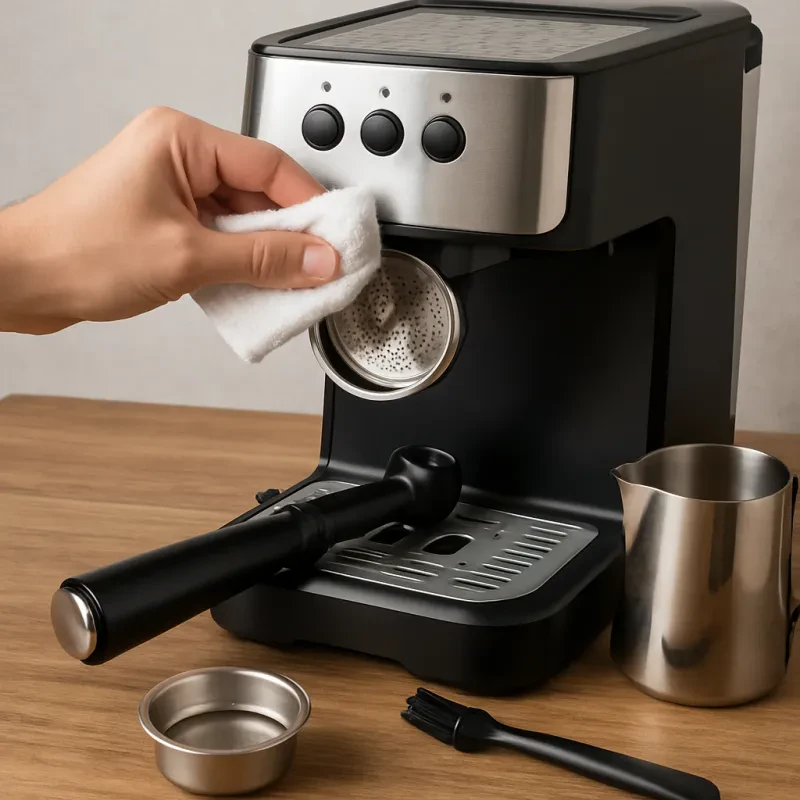
Finally, make sure to clean your grinder regularly. Old coffee oils and grounds can stick around and affect the taste of your coffee. A quick brush or wipe after each use can help keep things fresh. Plus, doing a deeper clean every few weeks will prevent any lingering flavors from past grinds.
Tools for Home Coffee Grinding
If you’re diving into the world of coffee grinding, having the right tools can make all the difference. They help you achieve the perfect grind size, which is crucial for brewing delicious coffee. Let’s talk about some must-have tools for coffee grinding that every home barista should consider.
A good quality burr grinder is a game changer. Unlike blade grinders, which chop beans unevenly, burr grinders crush them to a consistent size. This consistency improves flavor extraction and water flow during brewing. You can choose between manual and electric burr grinders, depending on your budget and preference. A manual grinder is perfect if you want something portable, while an electric one saves you time and effort.
If you prefer a more hands-on approach, a mortar and pestle can be a fun way to grind your beans. It lets you control the grind size and can be a soothing part of your coffee-making routine. Just keep in mind, it may take a bit longer and requires some muscle, but the end result can be incredibly satisfying.
Don’t forget about a scale! Weighing your coffee beans before you grind is key to consistent results. It helps you maintain the right coffee-to-water ratio, which is essential for brewing your favorite cup. Plus, it takes the guesswork out of measuring, so you can focus on perfecting your brewing technique.
These tools are vital for mastering coffee grinding techniques for home baristas. They all bring something unique to the table, and picking the right combination will elevate your coffee game. Enjoy the process, experiment a little, and find what works best for you!