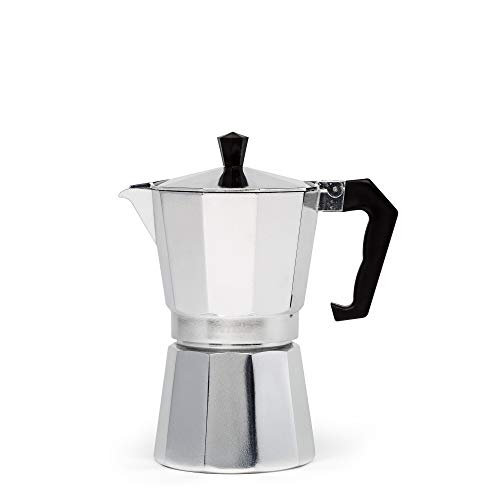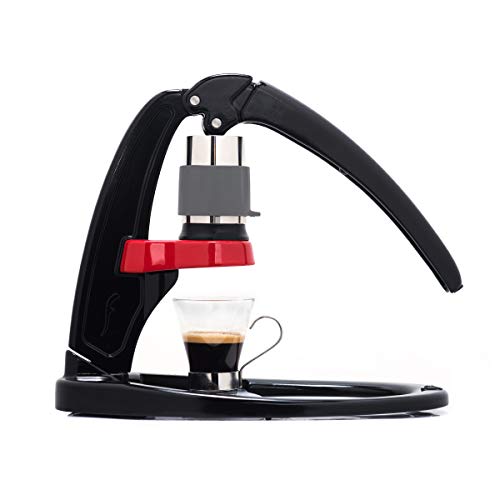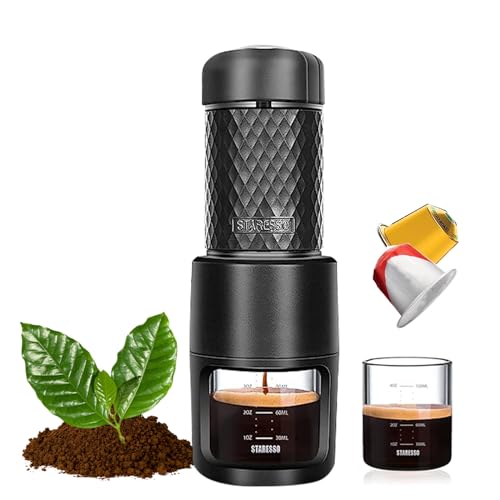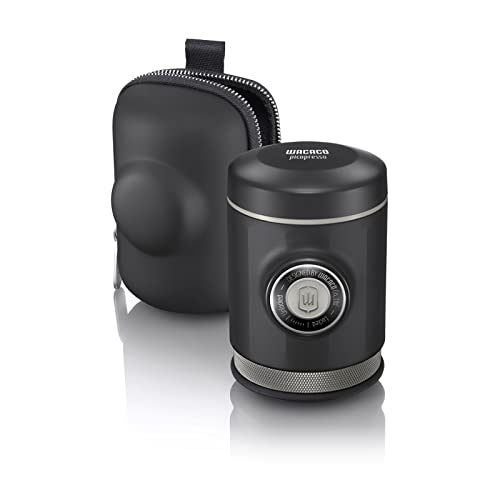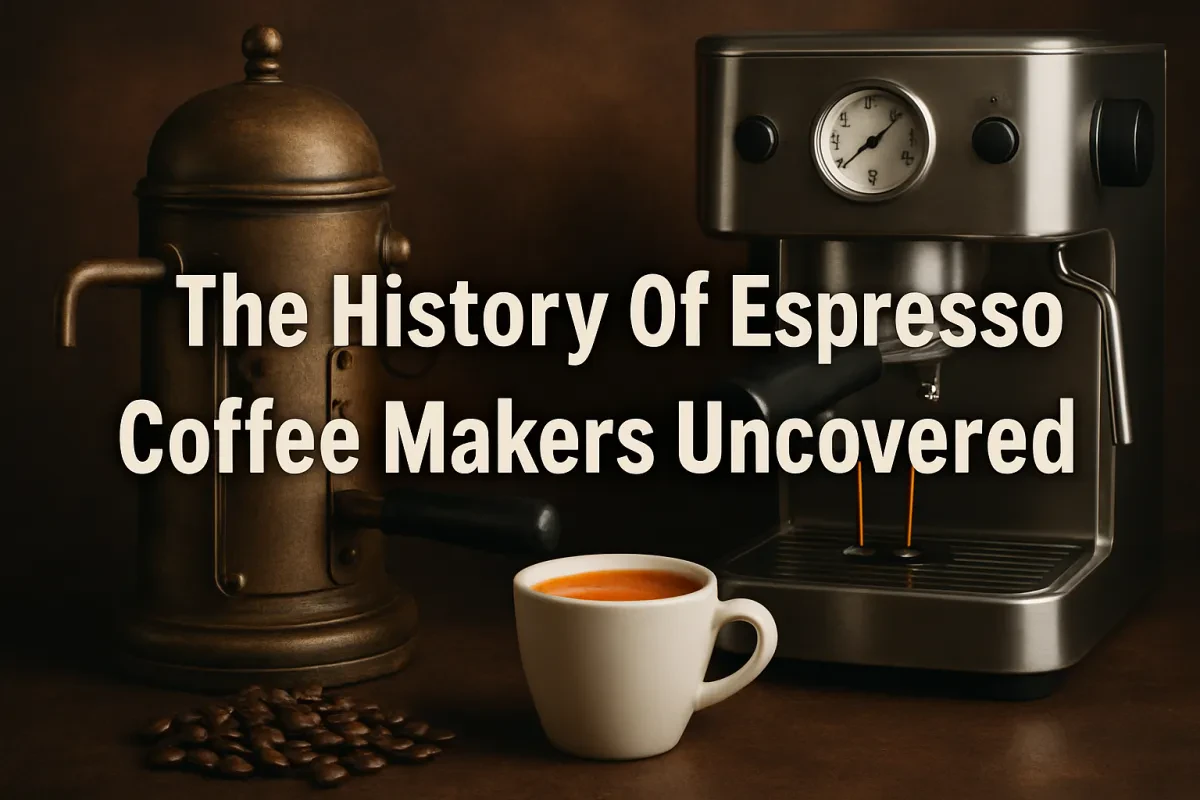
Espresso makers have a fascinating journey that dates back to the early 19th century. The History Of Espresso Coffee Makers starts with the invention of the first espresso machine in 1822 by Italian inventor Angelo Moriondo. His machine used steam pressure to brew coffee, but it wasn’t until the late 1800s that the concept really took off. In 1884, another Italian, Luigi Bezzera, made some key improvements, allowing for quicker brewing times. This was a game changer for coffee lovers.
As time marched on, machines evolved. The early 1900s saw the arrival of the first commercial espresso machines. These were big, bulky beasts often found in cafes. They used manual pressure, which required skill and practice. It wasn’t just about brewing coffee; it was an art form. Cafes became social hubs, and each cup of espresso was a testament to the barista's skill. This was where the espresso culture really began to take shape.
Fast forward to the mid-20th century, and the espresso machine became more accessible. Companies like Faema and Gaggia changed the game with their lever and automatic machines, making espresso easier to brew at home. Regular folks could finally enjoy café-quality espresso without needing a degree in coffee artistry. This sparked a love for espresso worldwide, influencing how we enjoy our coffee today.
The modern era of espresso makers took off with electronic machines that are user-friendly and efficient. Today's options range from compact machines perfect for small kitchens to high-end models that can brew multiple shots at once. The History Of Espresso Coffee Makers shows us not just how technology has advanced but also how these machines have created connections and inspired coffee enthusiasts globally.
Key Innovations in Espresso Machines
Espresso machines have come a long way since their humble beginnings. One of the key innovations was the introduction of the first lever-operated machines in the early 20th century. These machines required elbow grease to pull the lever, but they did a fantastic job of creating rich, concentrated shots of espresso. People loved the bold flavors they could produce.
Then came the electric machines, which really changed the game. Instead of relying on muscle, now you could simply press a button and voilà! Creamy espresso was just a moment away. This was a huge leap for espresso lovers, making it much easier for coffee shops to serve up delicious espresso drinks.
Fast forward a few decades, and technology took another giant leap with the introduction of programmable machines. These beauties allow you to customize your brew with precision, controlling factors like temperature and extraction time. If you’re a coffee enthusiast, having that level of control can really make a difference in taste.
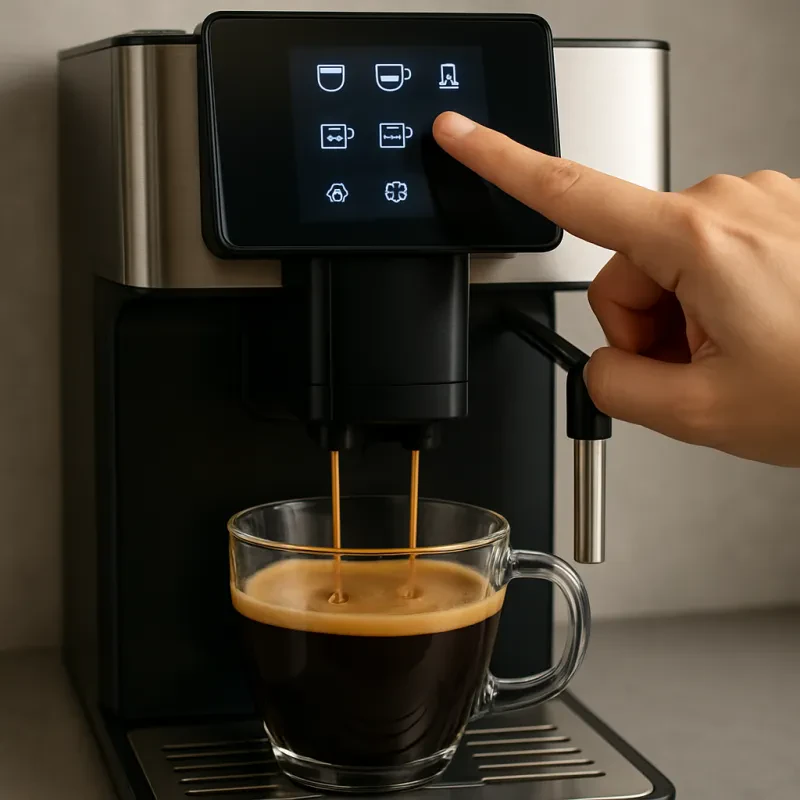
More recently, we’ve seen the rise of super-automatic machines, which do nearly everything for you. Grinding, tamping, brewing, and even frothing milk! If you want a café-quality drink at home without the fuss, these machines are a dream come true. They perfectly fit into busy lifestyles while still delivering that delicious flavor.
In “The History Of Espresso Coffee Makers,” you'll see how these innovations have shaped the way we enjoy coffee today. From back-breaking levers to the push of a button, each advancement has made espresso more accessible and enjoyable for everyone.
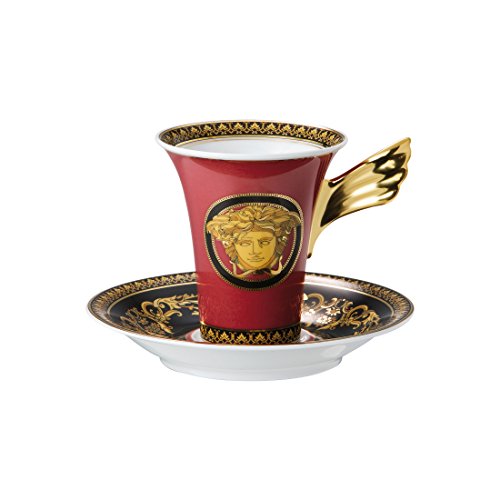
Versace Medusa Coffee Set, 2 Pieces
Elevate your coffee experience with the exquisite Versace Medusa Coffee Set, featuring 2 opulent pieces
Product information
$208.42
Product Review Score
4.32 out of 5 stars
24 reviewsProduct links
The Rise of Home Brewing
Home brewing has become a big deal over the past few years. More people are looking to make café-quality coffee right in their kitchens. Why? It’s all about convenience and personal taste. You get to control everything from the grind size to the water temperature, making each cup just how you like it.
With the rise of specialty coffee shops, folks have gotten curious about how to recreate that amazing coffee experience at home. That curiosity has driven a demand for espresso machines that are both user-friendly and capable of some serious brewing magic. From compact designs for small spaces to high-end models with all the bells and whistles, there’s something for everyone. This trend isn’t just a passing phase; it’s reshaping The History Of Espresso Coffee Makers.
Social media has played a huge role, too. You can find countless home brewers sharing tips and tricks online. Instagram and TikTok are full of stunning shots of perfectly frothed milk and creatively brewed espresso shots. It inspires people to try brewing at home. Plus, there’s something rewarding about mastering your own coffee routine.
Also, home brewing can save you money in the long run. Think about it: instead of hitting up that café every morning, you can enjoy a great cup while still in your pajamas. Investing in a good espresso machine can feel like a big step, but with the savings on daily coffee runs, it pays off pretty fast. So, whether you’re a casual sipper or a serious enthusiast, getting into home brewing is a fantastic way to connect with your coffee. Who knew espresso makers held such potential for creativity and savings?
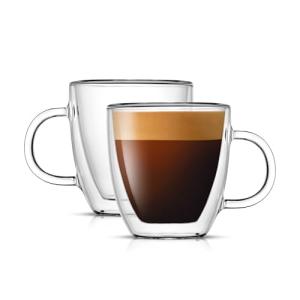
Set of 2 Double Wall Espresso Glasses
Experience the Perfect Cup of Espresso with our Premium Double Walled Glass Set
Product information
$24.95 $16.95
Product Review Score
4.78 out of 5 stars
12 reviewsProduct links
Icons of Espresso Maker Design
When you dive into The History Of Espresso Coffee Makers, you come across some standout designs that changed the game. These espresso makers not only brewed great coffee but also became iconic pieces of kitchen art. Let’s take a look at some of the most memorable designs that shaped the espresso world.
First up, we have the classic La Pavoni. This beauty hit the market in 1905 and made a splash with its elegant, shiny brass and chrome finish. It’s not just about looks, though. The La Pavoni lets you craft espresso with a manual lever, giving you control over every shot. If you love the hands-on approach, this design is a must-see in The History Of Espresso Coffee Makers.
Next, there's the Gaggia Espresso, which rolled out in the 1930s. It introduced the world to the first commercial espresso machine with a piston-driven pump. This innovation made pulling a perfect shot easier. The Gaggia design is still revered today, combining vintage charm with modern functionality. Many coffee aficionados cherish this model for both its performance and its timeless style.
Then we have the Breville devices that began hitting kitchens in the 2000s. These machines are known for their user-friendly interfaces and sleek modern designs. They come packed with features like built-in grinders and milk frothers, making it easy to whip up café-quality drinks at home. Breville captures the essence of The History Of Espresso Coffee Makers with its focus on innovation while keeping it practical for everyday use.
Each of these icons reflects a unique chapter in The History Of Espresso Coffee Makers. From manual to electric, every design tells a story of how our love for espresso has evolved. They remind us that making coffee can be both an art and a science, and we still adore the process today.