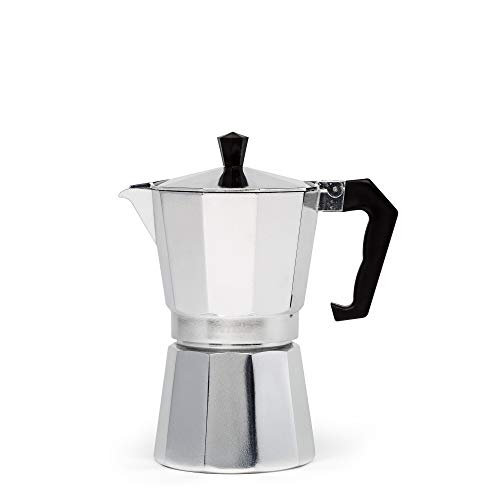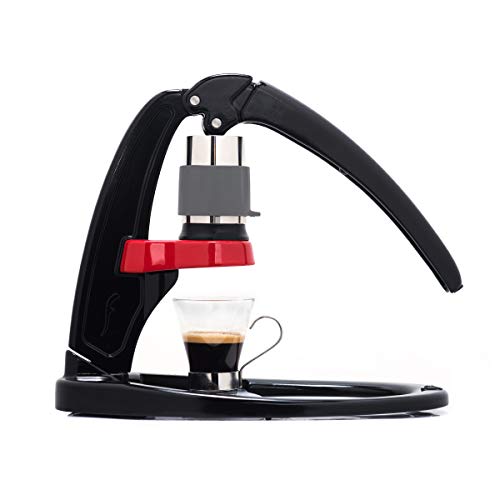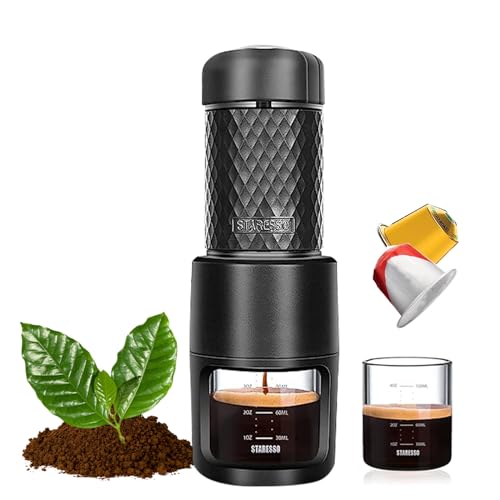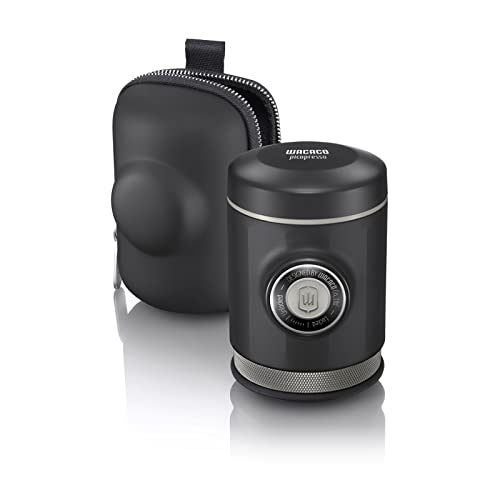
Brewing great espresso doesn’t have to be complicated, especially with manual espresso coffee makers for beginners. Follow these easy steps to get started and enjoy rich, flavorful shots at home.
1. Choose Your Beans
Pick high-quality coffee beans that you love. Fresh, whole beans are best for making espresso. Look for a medium to dark roast; it usually brings out the best flavors for espresso. Grind them just before brewing for that amazing aroma!
2. Measure Your Coffee
For one shot of espresso, use about 18 to 21 grams of coffee. A kitchen scale will help you get it just right. Be consistent with your measurements. Getting the right amount of coffee is key to a balanced taste.
3. Perfect Your Grind Size
Aim for a fine grind—like table salt. If your coffee is too coarsely ground, the water will flow through too quickly, leading to weak espresso. If it's too fine, your espresso will be bitter. Find that sweet spot through a little experimentation.
4. Tamp It Down
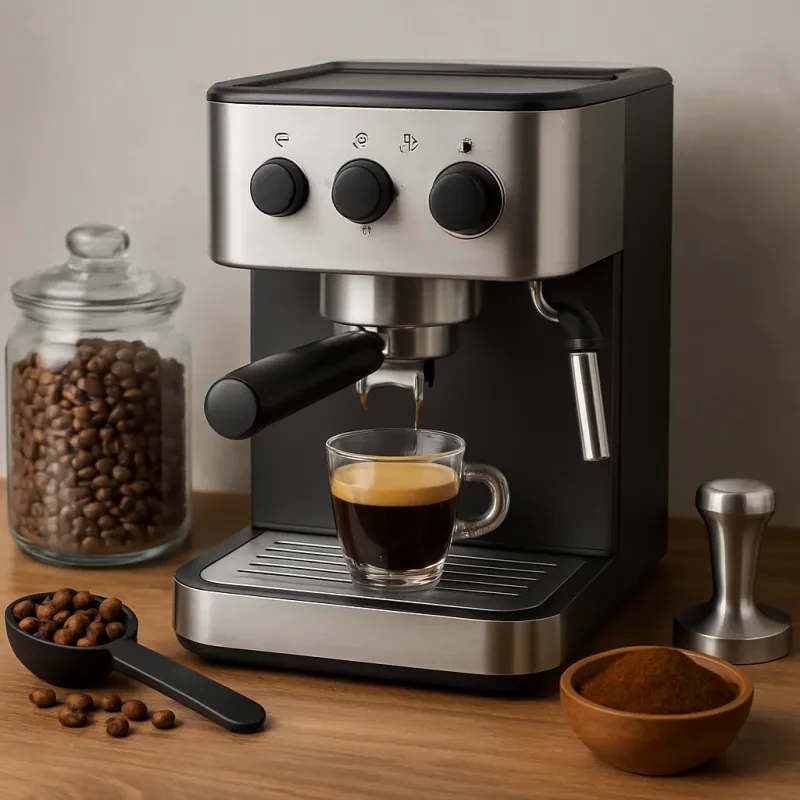
Once you’ve got your ground coffee in the portafilter, use a tamper to compress it firmly and evenly. This step can really make a difference in your espresso’s flavor. You want to create a flat, even surface so the water flows through evenly.
5. Brew with Care
Lock the portafilter into your manual espresso maker and start brewing. Keep an eye on your timing—it should take about 25 to 30 seconds to pull a shot. If it’s coming out too fast, adjust your grind or tamp. If it’s too slow, try a coarser grind.
Choosing the Right Manual Espresso Maker
First off, think about how much control you want over your brew. Some manual espresso coffee makers for beginners offer basic functionality, making it easy to get started without too much fuss. If you just want something that gets the job done, look for models that are user-friendly and straightforward.
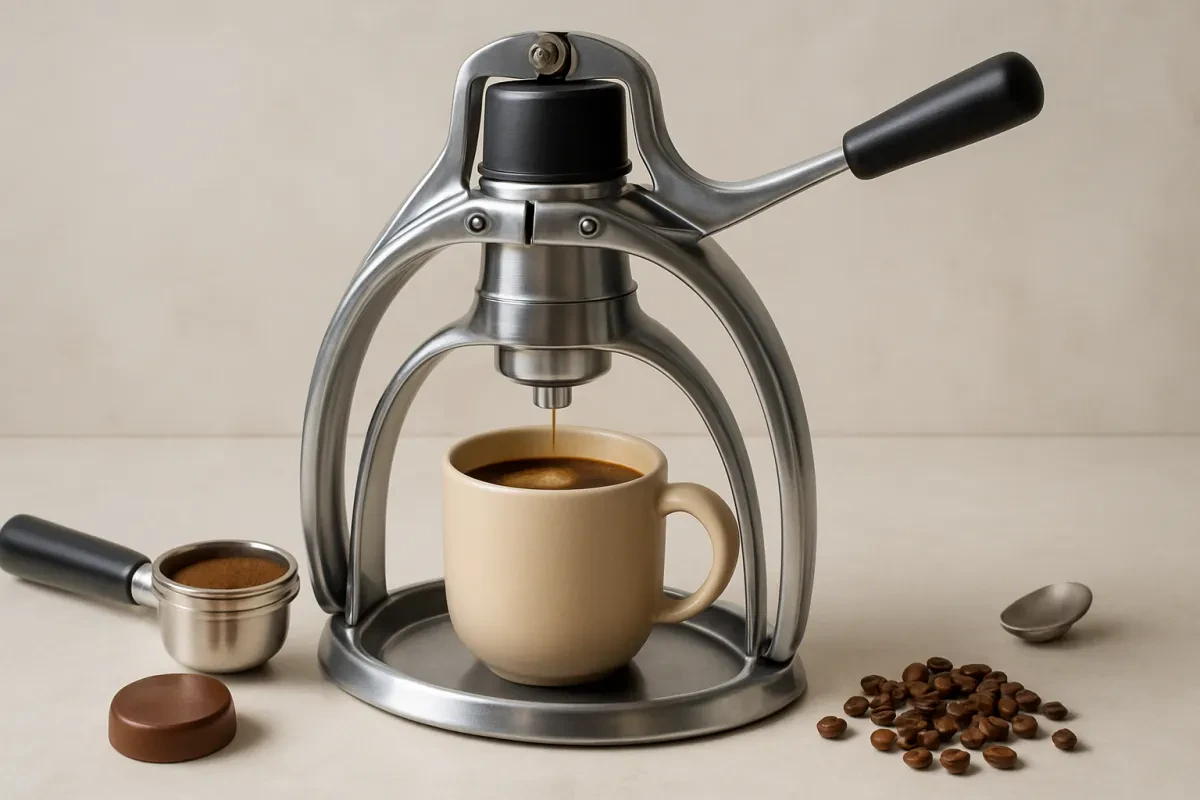
Next, consider the size and design. Do you have space on your countertop, or are you working with a tiny kitchen? Some manual espresso makers are compact and portable, perfect for anyone with limited space or who wants to take their coffee game on the go. Look for something that fits your lifestyle.
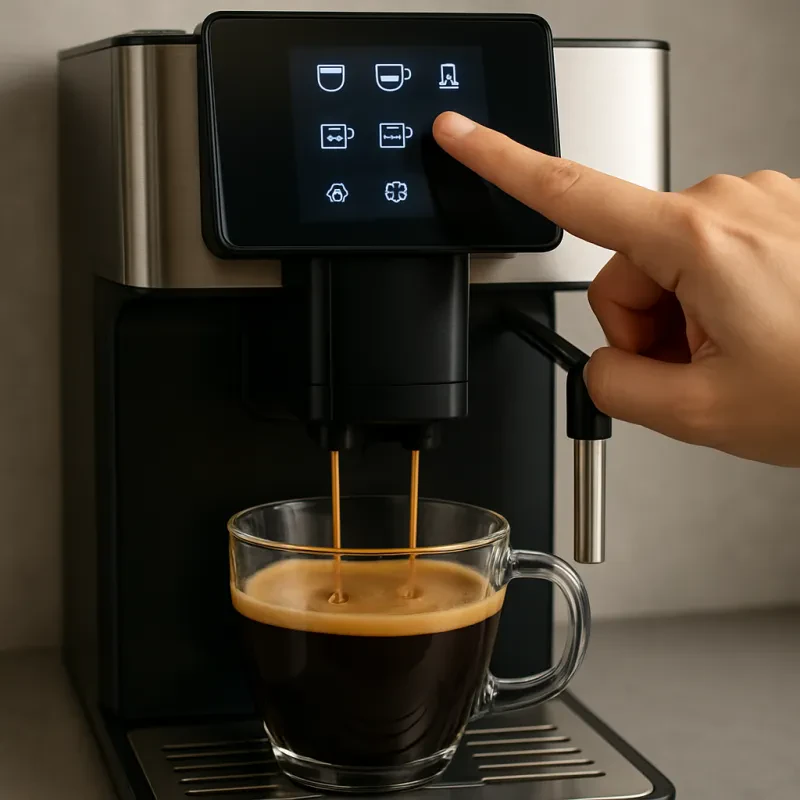
Lastly, think about how much effort you want to put in. Some makers require a bit of muscle to operate, while others are designed to be as easy as a push of a button. If you're looking for the best manual espresso coffee makers for beginners, aim for those with a good balance of ease and quality output. Your future coffee adventures will thank you!
Essential Tips for Perfect Espresso Shots
Getting the perfect espresso shot can feel like a challenge, especially if you're diving into the world of manual espresso coffee makers for beginners. But don’t worry! With a few simple tips, you can brew a shot that will impress.
First things first: the grind size. It’s crucial to have a fine grind for espresso. Think powdered sugar, not sand. A good quality burr grinder can help you achieve that consistent texture. If your espresso tastes weak or watery, your grind might be too coarse.
Next up, tamping. After you’ve filled your portafilter with coffee grounds, use a tamper to press down firmly and evenly. You want to create a smooth, level surface. A good rule of thumb is to apply about 30 pounds of pressure. This helps to ensure the water flows through the coffee evenly, giving you a richer flavor.
Pay attention to your water temperature, too. The ideal range is between 190°F and 205°F. If it’s too hot, you might scorch the coffee; too cold, and you won’t extract all those yummy flavors. An easy way to keep track is by letting the machine heat up for about 20-30 minutes.
Finally, timing matters. Aim for extraction times between 25 to 30 seconds. If your shot pulls too quickly or slowly, you'll need to adjust your grind or tamp to find that sweet spot. With a little practice and these tips, manual espresso coffee makers for beginners will become your best friend in the morning!
Maintaining Your Manual Espresso Maker
Taking care of your manual espresso maker is a breeze, and it’ll help you brew the best cup of espresso every time. These machines can feel a bit intimidating at first, but with some simple maintenance tips, you'll keep yours running smoothly.
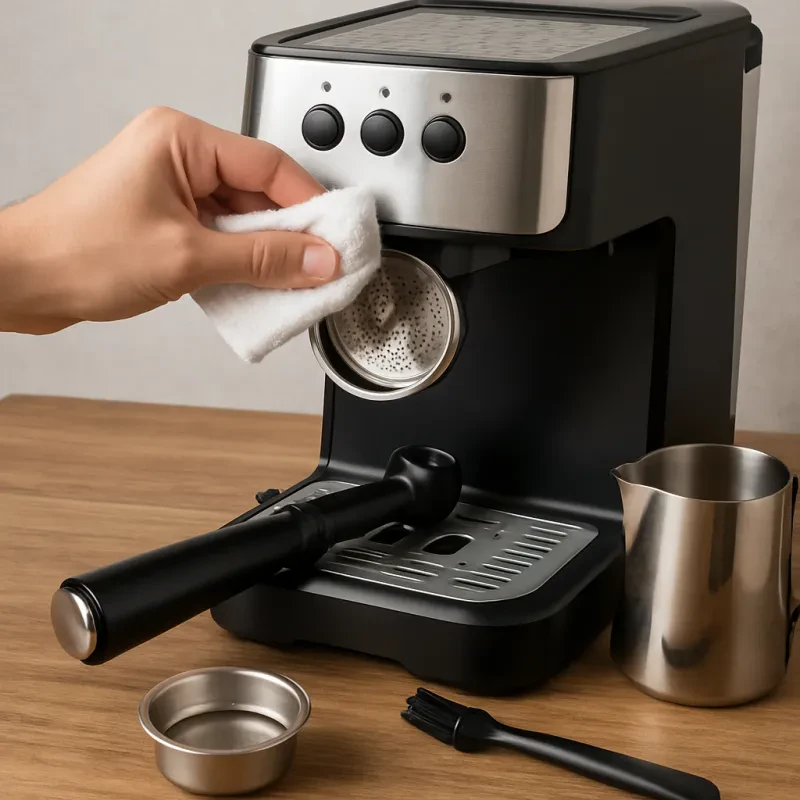
Start with the basics: always rinse your espresso maker after each use. Just like any kitchen tool, a quick cleaning can prevent old coffee oils from building up and affecting the flavor of your shots. Use warm water and a soft cloth to wipe down the exterior. For the filter and other removable parts, make sure to give them a good scrub to keep everything fresh.
Regular descaling is another must-do. If you’ve got hard water, minerals can build up inside your machine. Make a solution of equal parts water and white vinegar, and run it through your espresso maker every few months. Afterward, run a few cycles of clean water to rinse everything out. This helps keep your Manual Espresso Coffee Makers For Beginners in top shape.
Lastly, keep an eye on the seals and gaskets. These are essential for maintaining pressure during brewing. If you notice any cracks or wear, it’s a good idea to replace them. It’s a small step that makes a big difference in your espresso quality. Plus, replacing them is generally quite easy and can often be done without special tools.