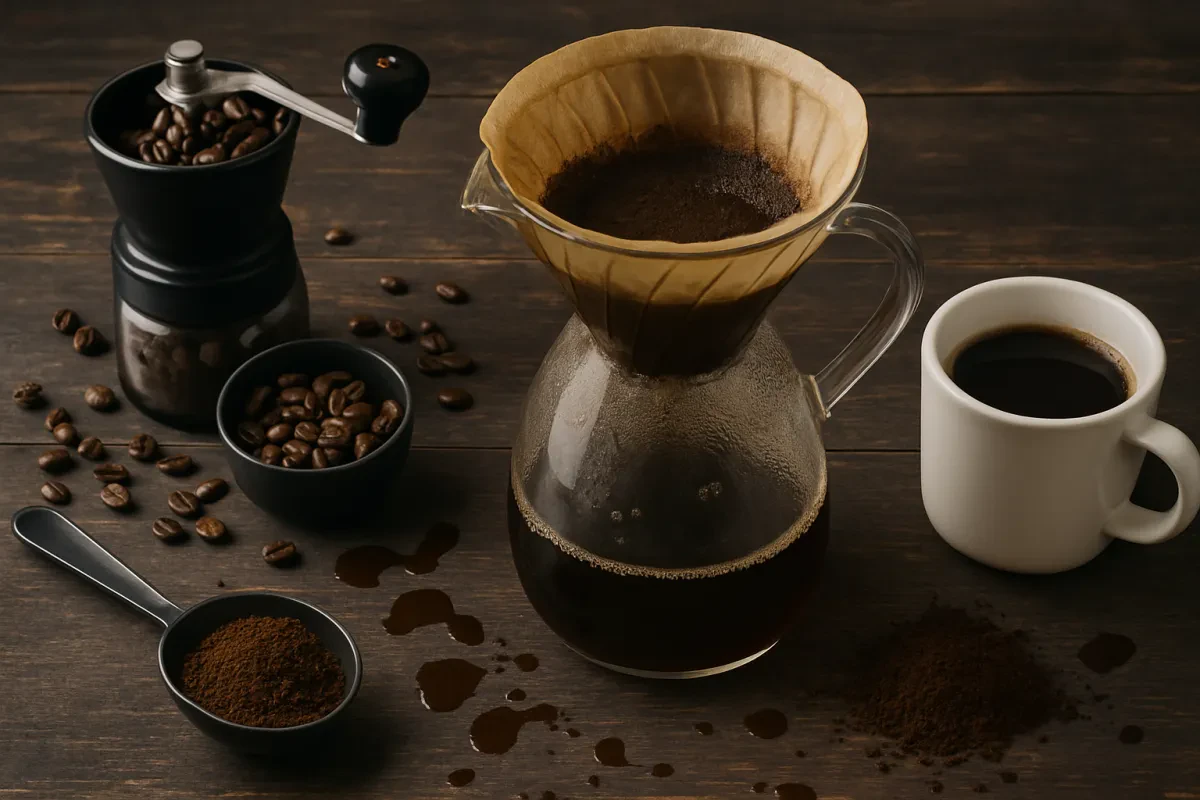
First off, let’s talk about coffee grind size. Using the wrong grind can seriously mess with your brew. If your coffee's too coarse, it might taste weak and watery. If it's too fine, it can become bitter and over-extracted. Make sure you match the grind to your brewing method. A French press needs a coarse grind, while espresso loves a fine grind.
Next up is water temperature. Brewing with water that's too hot can burn your coffee, and too cold can lead to under-extraction. Aim for around 200°F (about 93°C) for the perfect cup. Get a thermometer or just let freshly boiled water sit for 30 seconds before pouring.
Don’t forget about your coffee-to-water ratio! Using too little coffee will make your brew taste weak, while adding too much can leave it tasting overpowering. A good rule of thumb is to use two tablespoons of coffee for every six ounces of water. Adjust it to suit your taste!
Lastly, be mindful of how fresh your coffee beans are. Stale beans can ruin a good brew in a hurry. Keep your beans in an airtight container in a cool, dark place. Check the roast date and use them within a few weeks for the best flavor. Avoid these common Coffee Brewing Mistakes To Avoid, and you’ll enjoy a much tastier cup every time!
Ignoring Coffee Bean Freshness
One huge mistake coffee lovers make is ignoring the freshness of their coffee beans. Freshness plays a big role in unlocking delicious flavors. When you brew old beans, you miss out on all the tasty notes that make your cup special.
How can you tell if the beans are fresh? Look for a roast date on the packaging. The best beans are usually within two to four weeks of roasting. If the package doesn’t have a date, it’s best to move on. Stale beans just won’t cut it, and they can even taste bitter.
Another tip: store your beans properly! Keep them in an airtight container and away from light, heat, and moisture. If you're buying in bulk, consider using a vacuum-sealed bag to keep beans fresh longer. This little step can make a big difference in your daily cup.
Don’t let old or poorly stored beans ruin your coffee experience. Paying attention to freshness is one of the main Coffee Brewing Mistakes To Avoid. Grab some freshly roasted beans, and you’ll be surprised at how much better your coffee can taste.
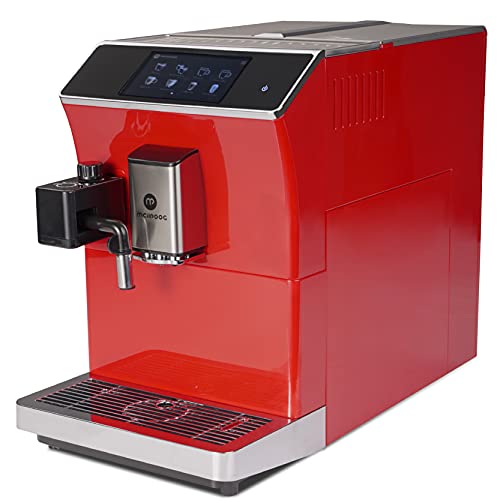
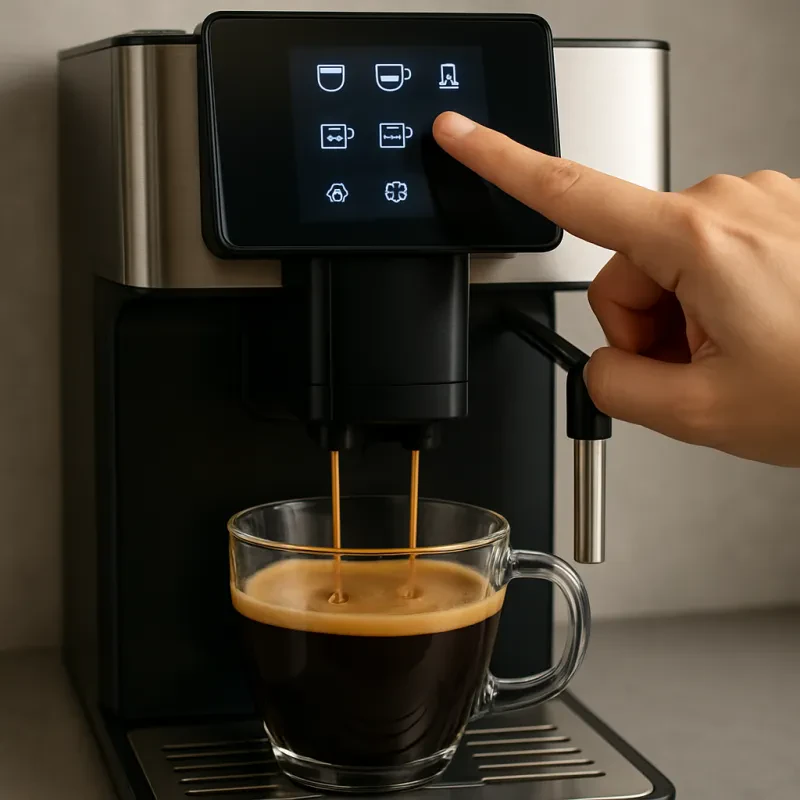
Smart Touch Espresso Coffee Maker - Brews 16 Drinks
Experience High-Quality Espresso with the Smart Touch Espresso Coffee Maker's 16 Drink Options
Product information
$1,073.07
Product Review Score
4.32 out of 5 stars
58 reviewsProduct links
Neglecting Proper Water Temperature
One big mistake that many coffee lovers make is not paying attention to water temperature. It might seem like a minor detail, but water that's too hot or too cold can seriously mess with the flavor of your brew. The sweet spot for brewing coffee is usually around 195°F to 205°F. If your water is boiling hot, it can scorch the coffee grounds, leaving a bitter taste. On the other hand, if the water is too cool, you miss out on extracting all those delicious flavors.
Using an accurate thermometer can really help here. Sure, you can eyeball the kettle, but why leave it to chance? If you love your coffee and want to get it just right, a thermometer is a simple tool that makes a huge difference. Just let your water boil, then let it sit for about 30 seconds to cool down a bit before pouring it over your grounds.
Another common issue is forgetting that different coffee types have specific brewing temperatures they're best at. For instance, light roasts usually need a bit hotter water compared to darker roasts. When you're brewing, be mindful of the coffee you’re using. Adjusting the temperature can elevate your cup and help you avoid some major Coffee Brewing Mistakes To Avoid.
In short, don’t just pour boiling water over your coffee and hope for the best! Take a second to check the temperature, and you’ll unlock all those amazing flavors waiting in your beans. It's a small step that leads to a big payoff in your daily cup of joe.
Using the Wrong Coffee Grind Size
Different brewing methods require different grind sizes. For example, a French press needs a coarse grind, while espresso demands a fine grind. If you're using a drip coffee maker, a medium grind is usually best. Using the wrong size can lead to over-extraction or under-extraction, which messes with your coffee's taste. You end up with a cup that’s either too watery or so bitter you can’t enjoy it.
To avoid this common misstep in your coffee journey, take a few minutes to check your grind size. If you’re not sure what you need, a simple rule of thumb is to match the grind to your brewing method. Keep experimenting until you find that sweet spot. With the right grind, you’ll unlock flavors you never knew were there.
Investing in a good burr grinder can make a huge difference. Unlike blade grinders, burr grinders give you more control over the grind size. This means you're less likely to make those pesky Coffee Brewing Mistakes To Avoid that ruin your morning cup. Trust me, putting in the effort now will pay off big time when you sip that delicious brew!